Redefining the Future of Petcare
At Zero3 Petcare, we believe that great health starts with great nutrition. A well-balanced diet is the foundation for a pet’s longevity, vitality, and happiness. This guide will help you make informed feeding decisions for your furry family members.
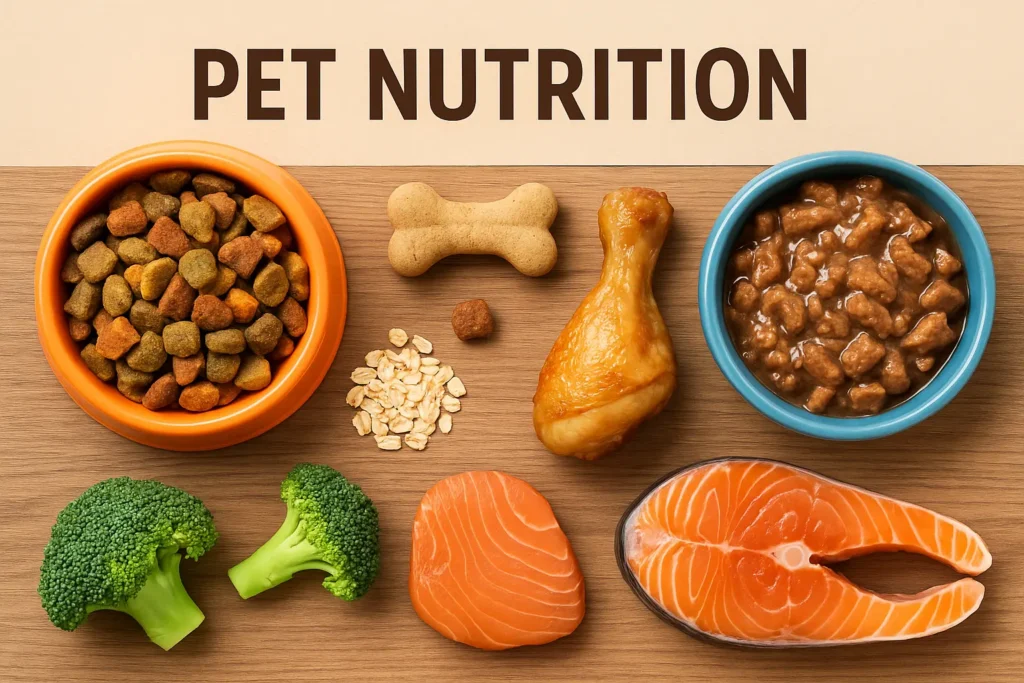
🐶 1. Understanding Your Pet’s Nutritional Needs
Every pet’s diet should reflect their age, breed, size, activity level, and health condition.
- Puppies & Kittens: Require more protein, fat, and calcium for growth and development.
- Adults: Need a balanced maintenance diet to sustain energy and immune strength.
- Seniors: Benefit from reduced-calorie diets with joint-supporting supplements.
Always consult your veterinarian before changing diets or introducing new foods.
🧩 2. Core Components of a Balanced Diet
A healthy pet diet includes:
- Protein: For muscle development and repair (e.g. chicken, fish, beef, lamb).
- Fats: Source of energy and shiny coat (e.g. fish oil, chicken fat, flaxseed).
- Carbohydrates: Provide fiber and energy (e.g. rice, oats, sweet potato).
- Vitamins & Minerals: Support immune health, bone strength, and metabolism.
- Water: Fresh, clean water must be available at all times — hydration is essential!
🍖 3. Choosing the Right Type of Food
- a) Commercial Pet Food (Kibble, Canned, Freeze-Dried)
- Choose veterinary-approved brands formulated to meet nutritional standards (AAFCO or FEDIAF-certified).
- Avoid artificial colors, excessive fillers, or unlisted “meat by-products.”
- Premium foods often provide better digestibility and nutrient density.
- b) Home-Cooked Diets
- Can be excellent when properly balanced.
- Must include all essential nutrients — work with your vet to create a safe recipe plan.
- Avoid toxic foods (see section below).
- c) Raw Diets
- Popular but should be handled carefully to prevent bacterial contamination.
- Ensure the right ratios of meat, organ, and bone, plus added vitamins.
🚫 4. Foods to Avoid (Toxic or Unsafe)
Never feed pets:
- Chocolate
- Onions, garlic, chives
- Grapes or raisins
- Avocado
- Alcohol or caffeine
- Cooked bones (can splinter and harm digestion)
- Raw yeast dough
- Excessive dairy or salty snacks
These can cause serious — even fatal — reactions in dogs and cats.
🦴 5. Feeding Frequency & Portions
- Puppies/Kittens: 3–4 small meals daily.
- Adult Dogs/Cats: 2 meals per day.
- Senior Pets: 2 smaller, balanced meals with added hydration.
Avoid overfeeding — obesity is one of the most common pet health problems.
💡 Zero3 Tip: Use portion control tools and feeding charts tailored to your pet’s weight and breed.
🐕🦺 6. Supplements for Optimal Health
Consider adding:
- Omega-3 fatty acids – for skin, coat, and joint health.
- Probiotics – for digestive balance.
- Glucosamine/Chondroitin – for joint support in large breeds.
- Multivitamins – for overall vitality (especially in homemade diets).
Only use veterinarian-approved supplements.
🌾 7. Nutrition and Zero3 Petcare Plans
All Zero3 Health Maintenance Plans include:
- Nutritional consultations with certified vets and trainers.
- Feeding recommendations customized to breed and age.
- Discounts on high-quality food and supplements via partner clinics and vendors.
Zero3 Petcare ensures your pet’s diet supports a healthy, active lifestyle — whether it’s a playful puppy, a growing guardian, or a graceful senior.
❤️ Zero3 Promise
At Zero3 Petcare Ltd, we are redefining how pets are nourished and cared for — combining expert guidance, science-backed nutrition, and compassion.
Because every bite matters, and every meal brings your pet closer to a healthier tomorrow.